

Diabetes symptoms and risks | Diabetes doctor in Pitampura
Approximately 830 million people worldwide were living with diabetes in 2022, making it one of the most common chronic diseases globally.
Diabetes is a chronic condition that affects how the body regulates blood sugar (glucose). Without timely diagnosis and proper management, it can lead to serious health complications affecting the heart, kidneys, eyes, nerves, and blood vessels. Recognizing diabetes symptoms early and understanding the diabetes causes and diabetes risks can help prevent long-term complications and improve quality of life.
If you experience persistent symptoms such as increased thirst, frequent urination, unexplained weight loss, or fatigue, consult a qualified diabetes doctor in Pitampura for a comprehensive evaluation. Early diagnosis, personalized treatment, and regular monitoring can help manage blood sugar levels effectively and reduce the risk of diabetes-related complications.
Common Diabetes Symptoms
More than 95% of people living with diabetes have Type 2 diabetes, which often develops gradually and may not cause noticeable symptoms in its early stages.
Common Signs and Symptoms of Diabetes
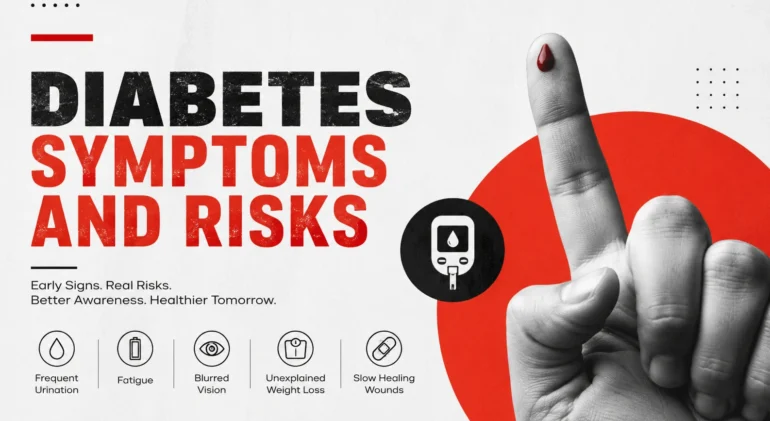
Watch for the following warning signs:
- Frequent urination, especially during the night
- Increased thirst despite drinking adequate fluids
- Excessive hunger even after meals
- Unexplained weight loss
- Persistent fatigue or low energy levels
- Blurred vision
- Slow-healing cuts and wounds
- Frequent skin, gum, or urinary tract infections
- Tingling or numbness in the hands and feet
- Dry skin and persistent itching
Not everyone experiences all of these symptoms. Some people, particularly those with Type 2 diabetes, may have mild symptoms that go unnoticed until routine blood tests detect elevated blood sugar levels.
What Causes Diabetes?
Diabetes causes vary depending on the type of diabetes. Type 1 diabetes develops when the immune system mistakenly attacks the insulin-producing cells in the pancreas. Type 2 diabetes, the most common form, occurs when the body becomes resistant to insulin or does not produce enough insulin to maintain normal blood sugar levels.
Common Causes and Risk Factors of Diabetes
Several factors can increase the likelihood of developing diabetes, including:
- Family history of diabetes
- Overweight or obesity
- Physical inactivity
- Unhealthy diet rich in processed foods and sugary beverages
- High blood pressure or abnormal cholesterol levels
- Age above 45 years
- History of gestational diabetes during pregnancy
- Polycystic ovary syndrome (PCOS) in women
- Smoking and excessive alcohol consumption
While some risk factors, such as age and genetics, cannot be changed, maintaining a healthy weight, exercising regularly, and following a balanced diet can significantly reduce the risk of developing Type 2 diabetes.
Can Diabetes Be Prevented?
Although Type 1 diabetes cannot currently be prevented, the risk of Type 2 diabetes can often be reduced through healthy lifestyle choices. Regular physical activity, maintaining a healthy body weight, eating a balanced diet, and undergoing routine health check-ups can help keep blood sugar levels under control.
If you have one or more risk factors or notice early diabetes symptoms, consult an experienced diabetes doctor in Pitampura. Early screening and timely medical guidance can help detect diabetes before serious complications develop.
Health Risks of Uncontrolled Diabetes
Adults with diabetes are about twice as likely to develop heart disease or experience a stroke compared with adults without diabetes.
Uncontrolled diabetes can damage blood vessels and nerves throughout the body, increasing the risk of serious health complications. Persistently high blood sugar levels may affect multiple organs over time, making regular monitoring and timely treatment essential.
Common Health Risks of Diabetes
If diabetes is not managed properly, it may lead to:
- Heart disease: High blood sugar can damage blood vessels and increase the risk of heart attack and stroke.
- Kidney disease: Diabetes is one of the leading causes of chronic kidney disease and kidney failure.
- Nerve damage (Diabetic Neuropathy): Prolonged high blood sugar can damage nerves, causing numbness, tingling, pain, or weakness, especially in the hands and feet.
- Eye complications: Diabetes can damage the blood vessels in the retina, increasing the risk of diabetic retinopathy, cataracts, and glaucoma.
- Foot problems: Reduced blood circulation and nerve damage can lead to foot ulcers, infections, and delayed wound healing.
- Frequent infections: High blood sugar can weaken the immune system, making infections of the skin, gums, urinary tract, and respiratory system more common.
Signs You Should Consult a Diabetes Specialist
Schedule an appointment if you experience:
- Frequent urination or excessive thirst
- Unexplained weight loss
- Persistent fatigue or weakness
- Blurred vision
- Slow-healing wounds or frequent infections
- Tingling or numbness in the hands or feet
- Repeated episodes of high or low blood sugar
Conclusion
Early recognition of diabetes symptoms and understanding the causes and risks of diabetes are essential for preventing long-term health complications. Timely diagnosis, regular blood sugar monitoring, and personalized treatment can help maintain healthy glucose levels and reduce the risk of complications affecting the heart, kidneys, eyes, and nerves. If you notice persistent symptoms or have risk factors for diabetes, consult a qualified specialist without delay.
If you are looking for an experienced diabetes doctor in Pitampura, Dr. Rashmi Bajpai offers comprehensive evaluation, diagnosis, and personalized diabetes management for adults with Type 1 diabetes, Type 2 diabetes, prediabetes, and gestational diabetes. Schedule a consultation with Dr. Rashmi Bajpai today for expert diabetes care, early diagnosis, and long-term management to support a healthier future.