

Non-Invasive Cardiology
A lot of cardiac problems announce themselves only after they've been building quietly for years. ECG changes. Valve abnormalities. Early signs of coronary disease. Non-invasive cardiology catches these things before they become serious without any procedure or surgery. Dr. Bajpai completed her Fellowship in Non-Invasive Cardiology at the University of Virginia. She evaluates patients with chest discomfort, breathlessness, palpitations, and those with high cardiovascular risk diabetes, long-standing hypertension, a family history of heart disease. She reads the results. She explains them. And where treatment is needed, she manages it as part of the broader clinical picture. If something feels off with your heart, don't sit on it. Early assessment is the whole point
Diabetes & Metabolic Disorders
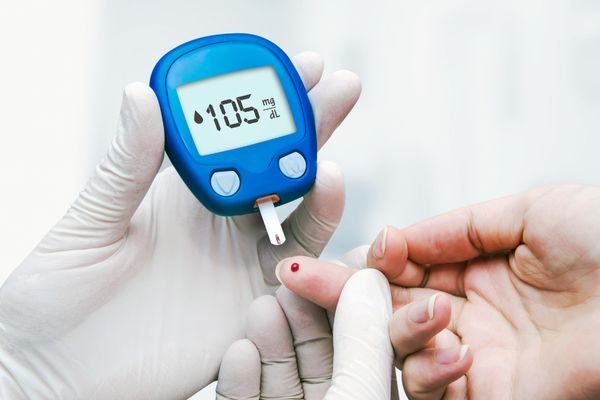
Managing diabetes is not just about keeping blood sugar in range. Over years, poorly controlled diabetes quietly damages the kidneys, eyes, nerves, and heart. The real goal of diabetes care is keeping all of that from happening. Dr. Bajpai treats Type 1 and Type 2 diabetes, prediabetes, insulin resistance, and associated lipid and metabolic disorders. She looks at the full picture blood sugar, organ function, cardiovascular risk, weight and builds a plan around your actual situation, not a textbook case. Whether you've been diagnosed recently or have been managing this for years, structured specialist care makes a measurable difference to where you end up.
Hypertension
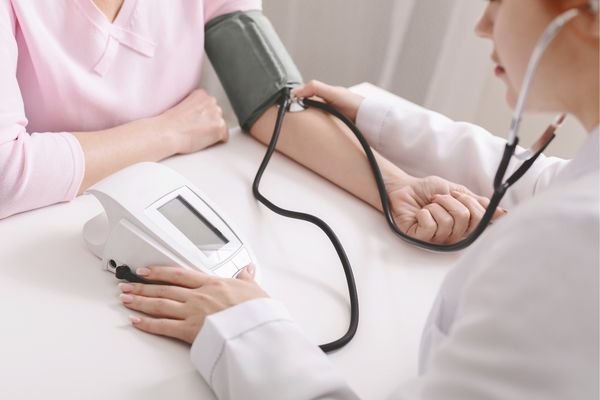
Most people with high blood pressure feel completely fine. That's what makes it dangerous. By the time symptoms appear headaches, blurred vision, breathlessness the damage is often already done. Kidney function compromised. Cardiac risk doubled. Blood vessels stiffened. Dr. Bajpai doesn't just check your numbers and hand you a prescription. She investigates what's driving the hypertension whether that's lifestyle, a secondary medical cause, or a combination of both and manages accordingly. Follow-up is built in from the start. Blood pressure control at this level reduces your risk of heart attack and stroke significantly.

Thyroid Disorders
Thyroid problems are behind more unexplained symptoms than most people realise. Persistent fatigue that doesn't make sense. Weight that won't shift. Hair falling out. Feeling cold all the time, or anxious and overheated. Mood that's off without an obvious reason. The thyroid is often the answer and a single blood test can find it. Dr. Bajpai manages hypothyroidism, hyperthyroidism, Hashimoto's thyroiditis, Graves' disease, and thyroid nodules. She reads test results in context not just as numbers on a page and adjusts treatment based on how a patient actually feels, not just what the labs say.

Geriatric Care
Healthcare for older adults cannot be delivered the same way as for everyone else. Multiple conditions running simultaneously. Medications that interact with each other. Symptoms that look like one thing but are caused by another. The risk of over-treating just as real as the risk of under-treating. Dr. Bajpai provides comprehensive geriatric health evaluations reviewing all conditions, all medications, and how a patient is actually functioning day to day. Her goal isn't just to manage individual diagnoses. It's to make sure the overall approach to care is genuinely working for this person, at this stage of life. That's what good geriatric medicine looks like.

Respiratory Diseases
Asthma, COPD, recurring chest infections, unexplained breathlessness these conditions are common, but they're not always managed as well as they should be. A lot of patients are on inhalers they're not using correctly, or being treated for one thing when the real issue is something slightly different. Dr. Bajpai evaluates respiratory symptoms properly history, examination, appropriate investigations and works out exactly what's going on before deciding on treatment. She manages both acute presentations and long-term conditions, with clear advice on triggers, inhaler technique, and what to watch for between appointments.

Infectious Diseases
Some infections don't respond to the first antibiotic. Some come back again and again. Some are complicated by other conditions diabetes, immunosuppression, organ impairment. These are the cases that need a specialist, not another repeat prescription. Infectious diseases is one of Dr. Bajpai's primary areas of clinical interest. She has managed complex infections across hospital and critical care settings throughout her career including fever of unknown origin, multi-drug resistant presentations, and infections in high-risk patients. If an infection isn't behaving the way it should, she can work out why.