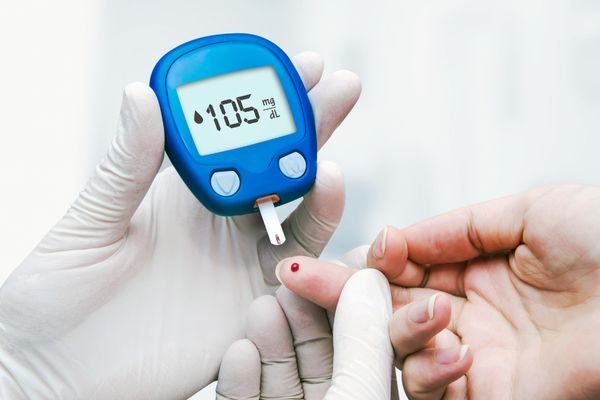
Diabetes is a metabolic condition where the body either can’t produce insulin or can’t use it properly. Blood sugar rises. And if it stays elevated over time, it damages things kidneys, nerves, retinas, blood vessels, the heart.
The condition takes different forms. Type 1 diabetes is autoimmune the body attacks its own insulin-producing cells. Type 2 develops gradually through insulin resistance, most often in adults. Prediabetes sits in the warning zone before Type 2 takes hold. Metabolic disorders lipid abnormalities, insulin resistance without frank diabetes, obesity-related metabolic syndrome sit alongside these and compound their effects.
What they all have in common is that they’re manageable. With the right approach, complications are largely preventable.
How Dr. Bajpai Helps Diabetes Patients?
Dr. Bajpai treats patients across the full spectrum newly diagnosed and unsure what to do next, long-term diabetics whose control has slipped, patients with complex metabolic profiles involving multiple conditions simultaneously. She doesn’t just look at the HbA1c. She looks at kidney function, lipid levels, cardiovascular risk, blood pressure, weight, and any early signs of complications. The treatment plan comes from all of that together, not from a single number.
She also provides clear guidance on what lifestyle changes actually make a difference and why not a generic handout, but a conversation based on that patient’s situation.
When Should You See a Specialist?
If any of these sound familiar, it’s worth booking a consultation:
- Unusual thirst or passing urine much more frequently than normal
- Tiredness that doesn’t improve with sleep or rest
- Blurring of vision even if it comes and goes
- Cuts or wounds that are healing slowly
- Tingling, numbness, or burning in the hands or feet
- Blood sugar levels that are hard to control despite current treatment
- Borderline test results with a strong family history of diabetes
Diabetes & Sugar Treatment Approach
The first consultation focuses on understanding the full picture what’s been tried, what’s working, what isn’t, and what investigations are current or overdue.
From there, the treatment plan is built around the individual. Medication decisions, monitoring targets, lifestyle adjustments. All of it explained clearly, with specific reasoning not just instructions.
Follow-up is structured from the beginning. Because diabetes management is not a one-off event. It’s an ongoing process, and the plan evolves as the clinical picture changes.
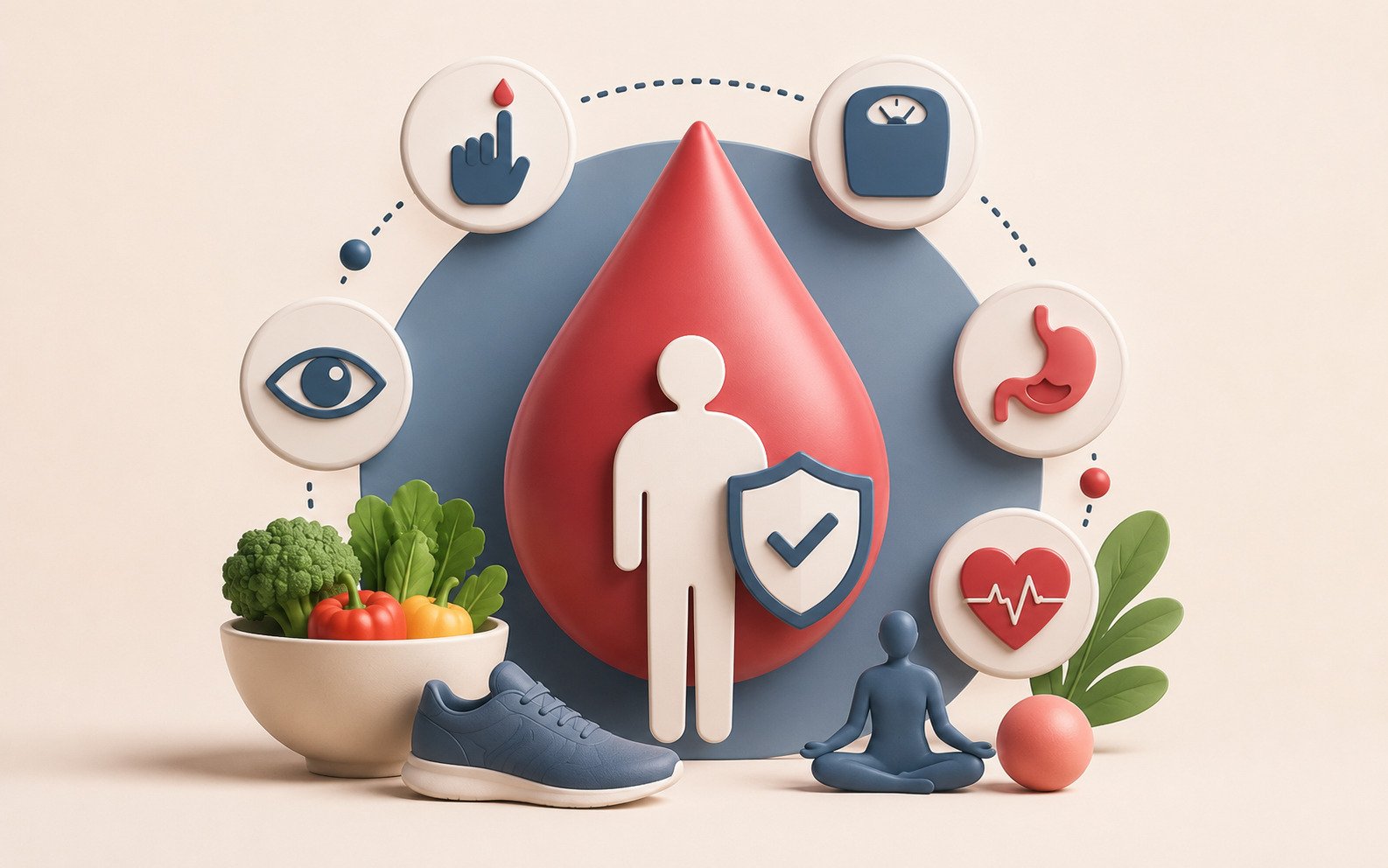
The complications of poorly managed diabetes are well documented. Kidney failure. Blindness. Foot ulcers leading to amputation. Heart disease. These aren’t rare worst-case scenarios they happen regularly to people whose diabetes was never properly controlled. The difference between good outcomes and bad ones is almost always the quality of management, started early and maintained consistently. Even in patients who have had diabetes for years, improving control now slows the progression of whatever damage has already begun. Specialist review not just annual GP checks is where that difference gets made.
FAQs
What's the difference between Type 1 and Type 2 Diabetes?
Type 1 is autoimmune the pancreas stops making insulin entirely. It’s typically diagnosed early in life and always requires insulin. Type 2 develops when the body becomes resistant to insulin or doesn’t produce enough. It’s far more common and can often be managed with oral medication though some patients do need insulin eventually.
Can Type 2 diabetes be reversed?
In some patients, significant weight loss and sustained lifestyle change can lead to remission blood sugar returning to non-diabetic levels without medication. This is more achievable the earlier it’s addressed. Dr. Bajpai can advise whether this is a realistic goal in your specific case.
How often do I need specialist review?
It depends on how well things are controlled and whether any complications are present. Dr. Bajpai will set out a follow-up schedule based on your individual situation at the first appointment.