

Respiratory disease covers anything that affects the lungs and airways asthma, COPD, bronchiectasis, recurring chest infections, interstitial lung disease, unexplained breathlessness. In India, respiratory conditions are among the most common chronic diseases, and a large proportion of sufferers are either undiagnosed or not managed optimally.
Symptoms like persistent cough, breathlessness, wheezing, and repeated chest infections are easy to dismiss or attribute to other things fitness, age, pollution, smoking history. But they’re also the hallmarks of conditions that get significantly worse if left untreated for long enough.
The lungs have limited regenerative capacity. Damage from years of uncontrolled inflammation or infection is not easily reversed. That is why early assessment matters.

How Dr. Bajpai provides Respiratory treatment in Pitampura?
Dr. Bajpai evaluates patients with the full range of respiratory symptoms from chronic cough and exercise-induced breathlessness to repeated bronchitis, worsening asthma, and suspected COPD. She takes a detailed history of symptom pattern, triggers, duration, and any previous treatment, before deciding what investigations are needed.
She differentiates carefully between conditions that look similar asthma vs COPD vs allergic bronchitis vs infection-related airway disease because the management of each is different.
She also addresses inhaler technique, trigger management, and action planning the parts of respiratory care that are often handled inadequately and account for a significant proportion of poor outcomes in asthma.
When Should You See a Specialist?
If any of these sound familiar, it’s worth booking a consultation:
- A cough that has been present for more than three weeks
- Breathlessness on exertion that seems out of proportion or has been worsening
- Wheezing particularly at night, in cold air, or with exercise
- Recurring chest infections or bronchitis two or more in a year
- Waking at night with breathlessness or coughing
- Known asthma that isn’t well controlled on current treatment
- Smoking history with any respiratory symptoms
Dr Rashmi's Respiratory Care approach
Respiratory consultations start with a thorough symptom history onset, pattern, triggers, severity, and what has already been tried. This often provides more diagnostic clarity than investigations alone.
Investigations are targeted spirometry to assess lung function, where appropriate, along with any other tests the clinical picture warrants. Dr. Bajpai explains what each result means in plain language.
Management is specific to the individual medication, inhaler type and technique, trigger avoidance, and a clear plan for what to do if symptoms worsen acutely. Follow-up is built in from the start.
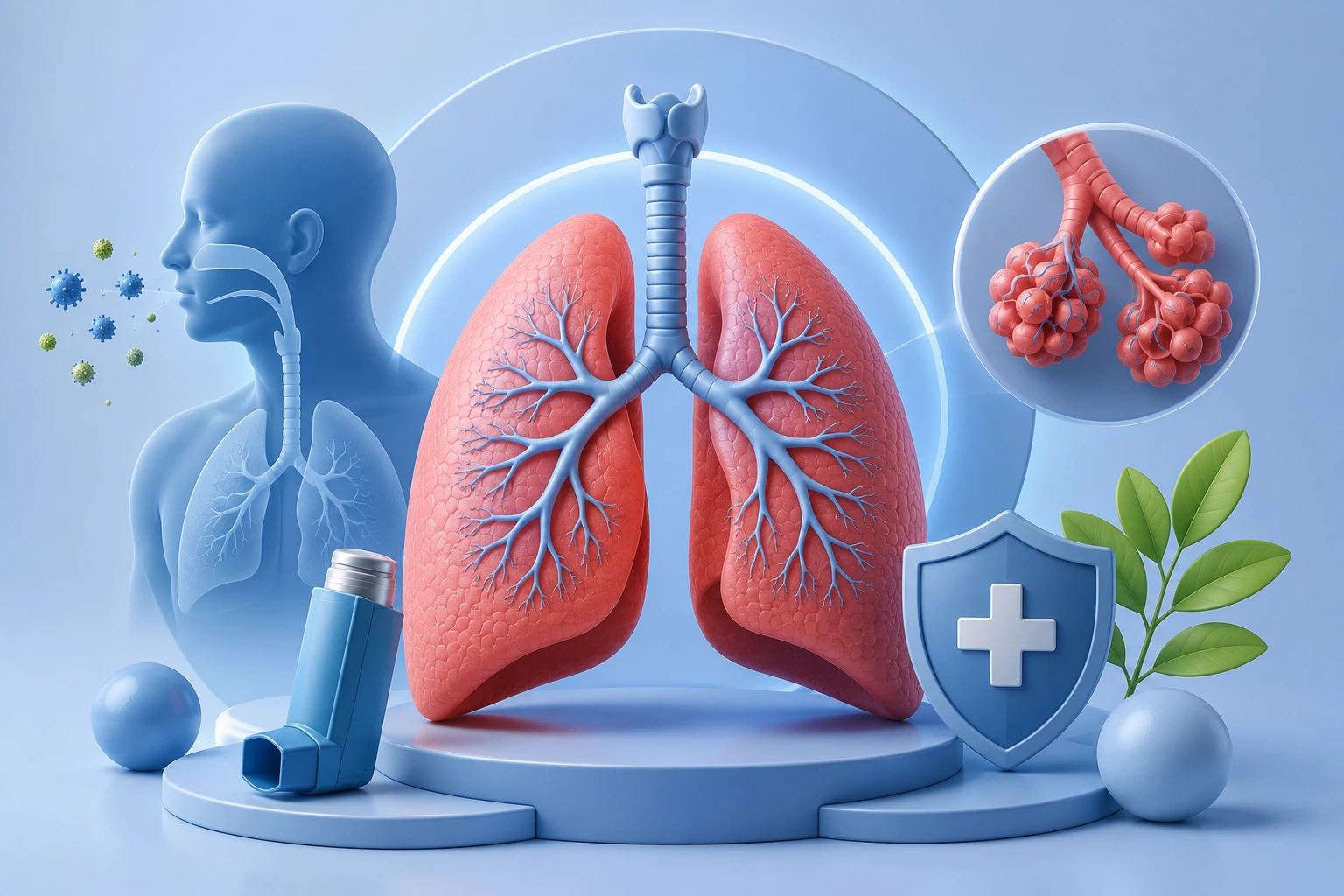
Respiratory conditions that go unmanaged or poorly managed don’t stay the same. Asthma that’s not controlled leads to progressive airway remodelling. COPD that’s undiagnosed means ongoing lung function loss that could have been slowed. Recurring chest infections without a structural cause identified lead to bronchiectasis. These are consequences that are very hard to walk back. Conversely, well-managed asthma allows patients to live completely active lives with no limitation. Well-managed COPD preserves function significantly longer than untreated disease. The intervention that makes the difference is usually straightforward. It just needs to happen early enough.
FAQs
Is breathlessness always a lung problem?
Not always. Breathlessness can have cardiac causes heart failure, arrhythmia, valve disease as well as respiratory ones. Dr. Bajpai’s background in both Internal Medicine and Non-Invasive Cardiology means she is well placed to evaluate both possibilities in the same consultation.
Can asthma get better over time?
In some cases, particularly in children, asthma can improve significantly or appear to resolve. In adults, it rarely goes away completely, but with the right treatment it can be controlled to the point where it causes no meaningful limitation.
What's the difference between asthma and COPD?
Asthma typically involves reversible airway narrowing triggered by allergens, cold air, exercise or infection. It often starts in childhood or early adulthood. COPD is a progressive condition caused mainly by smoking involving permanent structural changes in the lungs. Both can cause breathlessness and wheeze, and they can coexist which is why proper investigation matters.